
Mental load
The Family Reminder System Is Not a Person
If chores only happen because one parent remembers, asks, follows up, and absorbs the resentment, the system is still living in that parent's head.
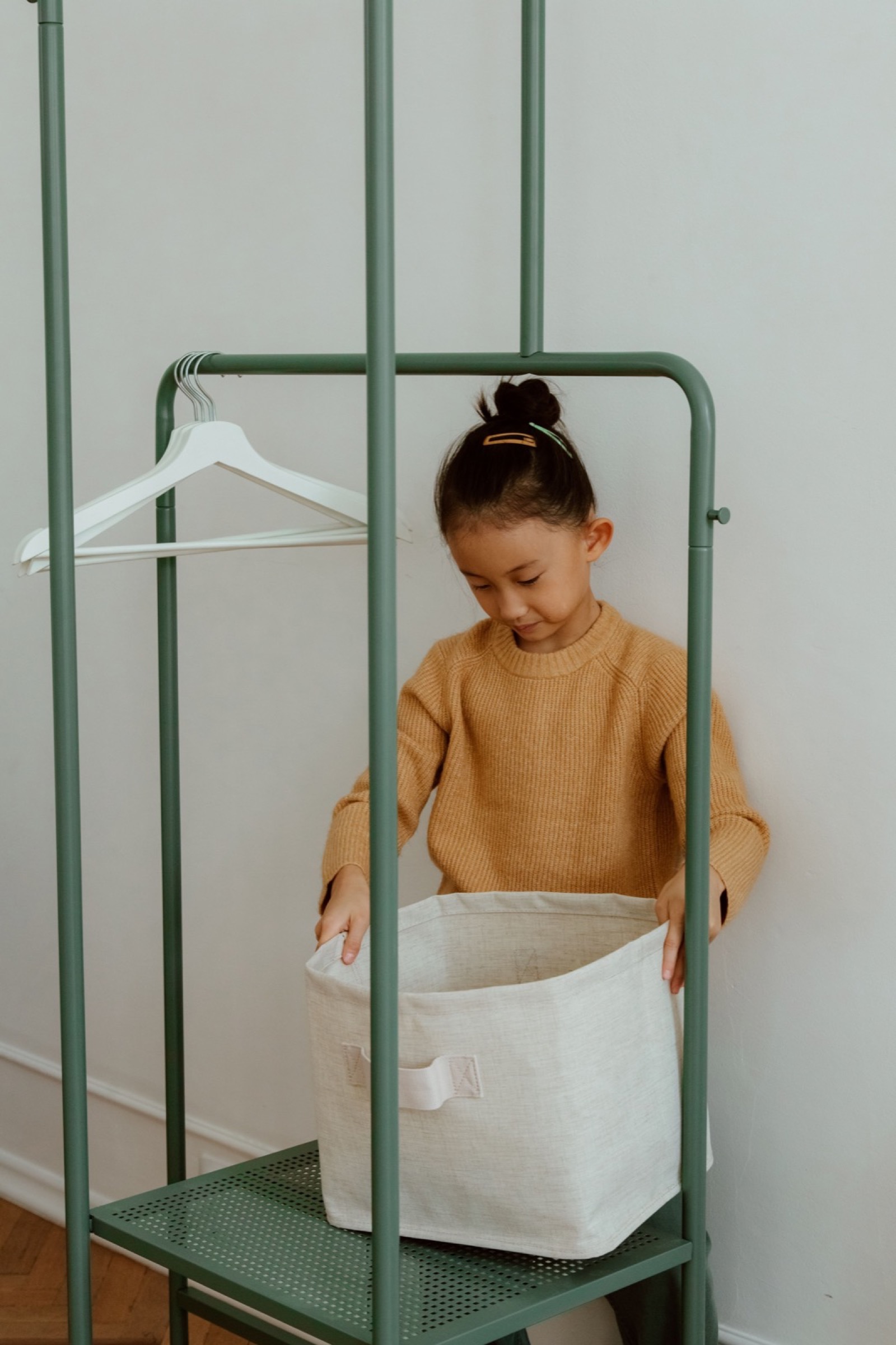
There is a kind of tired that does not come from doing the chore. It comes from being the person who knows the chore exists. The dishwasher needs to be run, the permission slip needs to be signed, the library book needs to go back, someone is almost out of clean socks, and the trash will be a problem by morning if nobody deals with it tonight.
This is why so many parents online talk about nagging with a mix of guilt and rage. They do not want to be the household announcement system. They also know what happens when they stop announcing: the work does not disappear. It waits, gathers interest, and eventually becomes a larger problem.
A reminder can be kind. A reminder can be useful. But when the entire family system depends on one person remembering, the reminder is no longer a tool. It is unpaid infrastructure.
A chore is not owned until it can be noticed
A child does not really own a job just because an adult says, You are in charge of this now. Ownership starts when the child knows what to look for without being summoned. The hamper is full. The pet bowl is empty. The lunch box is still in the backpack. The bathroom trash is at the top.
That noticing step is easy to skip because adults often want to assign the action, not teach the awareness. We say, Take out the trash, and the child takes it out. Then the next full trash can sits there waiting for another instruction. From the child's point of view, they did the thing they were asked to do. From the parent's point of view, nothing has changed because the parent is still carrying the noticing.
The useful question is not only, did the job get done? It is, who had to notice?
Make the invisible part visible
A family does not need a complicated command center, but it does need a way for work to exist outside one parent's brain. A written list on the fridge can help. A photo of the finished room can help. A small card near the pet food can help. A routine tied to an existing moment can help.
Visible systems are not magic. Kids will still walk past them. Adults will still have to point. But a visible system changes the conversation. Instead of the parent being the source of every request, the work has a place to live. The adult can say, Check your after-dinner list, instead of rebuilding the list from memory every night.
- After breakfast: lunch box out of backpack.
- After school: shoes by the door, backpack on hook.
- After dinner: plate to dishwasher, table wiped.
- Before bed: dirty clothes in hamper, floor path clear.
Use triggers instead of floating reminders
Floating reminders are the ones that appear whenever the adult notices a problem. They are understandable, but they are hard to learn from because the timing keeps changing. A child may hear them as interruptions, not as part of a routine.
Triggers work better because they attach the job to something that already happens. Shoes go away when you come inside. The table gets cleared when dinner ends. The backpack gets reset when homework is done. The reminder becomes less personal because the moment itself carries some of the weight.
This is not about making family life rigid. It is about reducing the number of decisions that have to be made from scratch. The fewer times a parent has to invent the next instruction, the less likely everyone is to end the day irritated.
The handoff still needs teaching
Handing over a job does not mean dropping it in a child's lap and hoping the child becomes reliable by Thursday. The first stage is usually shared. You notice together. You do the job together. You name the cue. You show what done looks like. Then, slowly, the adult steps back.
For a while, the parent may still be near the process. That can feel unfair because the whole point was to get out of the reminder business. But there is a difference between teaching a routine and personally carrying it forever. Teaching has an exit ramp. Endless reminding does not.
A good handoff sounds plain: Your job is the dog water. You check it after breakfast and after dinner. If it is low, fill it. If it is dirty, rinse it. I will check with you this week while you learn it, and then it is yours.
Resentment is data
Resentment is not always proof that everyone else is selfish. Sometimes it is proof that the system is too dependent on one person. If the same parent is always remembering, asking, checking, and absorbing the eye rolls, the job has not really been distributed. Only the physical motion has.
That is why a family chore conversation should include more than who does what. It should include who notices, who decides, who follows up, and what happens when the work is missed. Those parts are less visible than taking out the trash, but they are often the parts that wear people down.
The goal is not a house where nobody needs reminders. That house does not exist, at least not with children in it. The goal is a house where reminders do not all have to come from the same tired person.
When the work is visible, attached to real moments, and owned by someone other than the default parent, chores become less about nagging and more about participation. That is not a perfect system. It is just a fairer one.